In this era, vision correction has advanced remarkably, offering various options for individuals seeking clear vision without the inconvenience of glasses or contacts. One of the most noteworthy advancements in this area is the Implantable Collamer Lens (EVO ICL). This cutting-edge surgical method provides an alternative for individuals who may not be suitable candidates for LASIK or who prefer a non-permanent option. Grasping the EVO ICL process, its advantages, and associated risks can empower you to make well-informed choices about your ocular health.
As you explore your possibilities for vision correction, you could evaluate the benefits and drawbacks of various methods. EVO ICL stands apart for its special methodology, catering to a wide range of vision issues, including extreme nearsightedness and irregular corneas. In this thorough guide, we will dive into the details of the EVO ICL, detailing what to anticipate leading up to, throughout and after the procedure, as well as its recovery timeline. Whether more resources are considering your first consultation or are already researching, this resource aims to furnish you with the insight you need to see the world sharply once again.
EVO ICL Procedure Introduction
The Implantable Collamer Lens process begins with a thorough pre-operative evaluation, where an ophthalmologist evaluates the patient's vision and overall eye health. This phase is vital in deciding if the individual is a good candidate for the EVO ICL. Measurements of the eye's form, size, and optical error are collected to ensure the appropriate lens is selected. Patients are also educated about the process, potential risks, and expected outcomes, enabling for informed decision-making.
On the day of the surgery, the patient is typically administered a mild tranquilizer to help them calm down. The procedure is performed in an outpatient setting and usually lasts around 30 minutes for each eye. The surgeon starts by making a small incision in the eye surface, which allows the lens to be inserted through this opening and positioned behind the iris. The procedure is often painless due to the use of numbing drops and requires no stitches, as the incision is self-sealing.
Following the operation, patients are observed for a brief period to ensure all is functioning properly before they are discharged. Most individuals notice an immediate improvement in their sight, while optimal results typically are noticeable within a few days. A detailed post-operative care plan, including follow-up appointments, is essential for monitoring recovery and ensuring the effectiveness of the EVO ICL process.
Cost and Monetary Factors
When considering EVO ICL operation, it is important to be aware of the associated costs. The price of the procedure can change widely based on elements such as the doctor's expertise, the methods used, and the geographic area of the facility. Typically, the cost varies between three to five thousand dollars per ocular structure. please click the next document is vital to inquire about what is included in the quoted price, as some clinics provide bundles that cover pre-operative evaluations, the surgery itself, and follow-up care, while others may charge distinctly for these procedures.
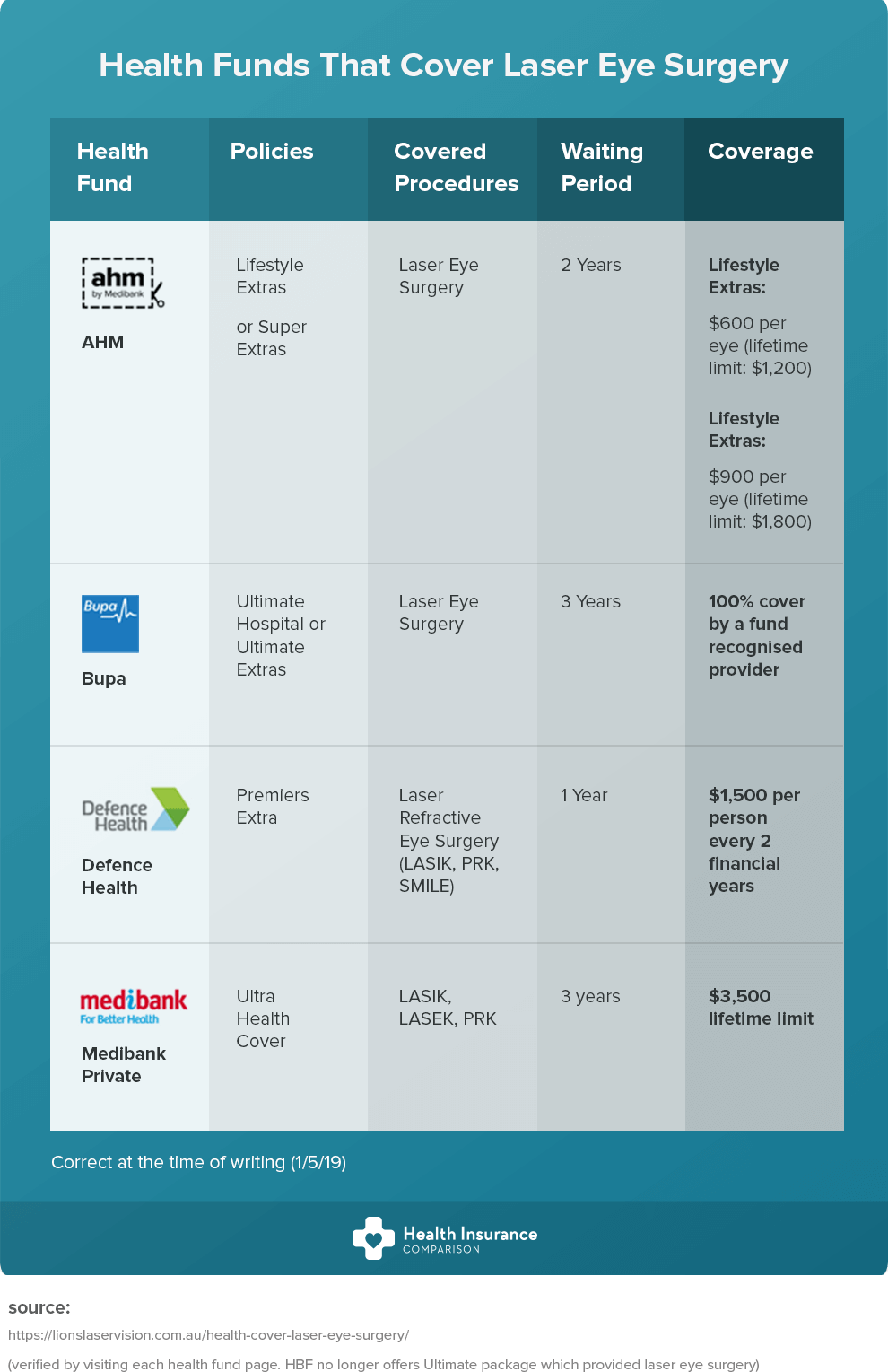
Many patients ask if EVO ICL is supported by health plans. Unfortunately, the majority of insurance providers define it as an elective operation, meaning that they do not pay for the fees associated with the operation. However, some providers have financing choices to help make the procedure more manageable. These can include monthly installment plans or medical financing that can ease the economic pressure and enable patients to undergo the surgery without a significant upfront payment.
Apart from the initial monetary investment, it is vital to think about the long-term worth of EVO ICL compared to other vision correction methods like LASIK. Patients should weigh not only the chance for better vision but also the longevity of the outcomes and any future corrective actions they might need. For many people, the flexibility and reversibility of the EVO ICL surgery turns it into a worthwhile spending, especially for those with certain vision concerns such as extreme myopia or astigmatism that may not be appropriate for LASIK.
Recovery Schedule and Anticipations
After undergoing EVO ICL surgery, patients can expect a fairly rapid recovery process. Most individuals detect an improvement in their vision within the first several hours post-surgery, although complete sight stabilization can take a few days to weeks. It is usual to experience mild discomfort, light sensitivity, or unclear vision during the initial recovery period, but these symptoms typically subside as the eyes recover.
During the initial 24 to 48 hours, it is crucial for patients to relax their eyes and avoid intense activities. Your surgeon will probably recommend using doctor-recommended eye drops to aid in recovery and to prevent infection. Many patients can return to work and daily activities within just a few days, but it is crucial to follow specific post-operative care directions to ensure the optimal results.
As the recovery progresses, most individuals see significant gains in their visual acuity, often achieving levels of vision that lessen or eliminate the need for glasses or contact lenses. Follow-up visits will be arranged to monitor the healing process, assess vision improvements, and discuss any concerns. Overall, the expectation for recovery after EVO ICL operation is positive, with most patients reporting satisfaction with their vision results soon after the operation.
Potential Side Effects and Reviews
EVO-ICL procedure, as with any medical surgery, comes with potential side effects that individuals should be aware of. Often noted side effects include temporary visual disturbances such as light halos, light glare, and light sensitivity, especially during the initial recovery period. These symptoms often diminish as the eyes recover, but it is important to talk about any ongoing discomfort with your surgeon to ensure proper management.
Testimonials of the EVO ICL surgery tend to show the sharpness and sharpness of sight achieved post-surgery. Many individuals report notable enhancements in their daily activities, with a great level of contentment regarding their complete results. However, some individuals have shared experiences of difficulty adjusting to the lens, which can be a issue for those thinking about the procedure. Looking into reviews from diverse sources can provide a comprehensive perspective on the potential outcomes.
At the end of the day, the decision to undergo EVO ICL surgery should consider both the advantages and the potential drawbacks. Participating in discussions with medical professionals and reviewing thorough patient reviews can help prospective clients develop a clearer picture of what to expect. As with any vision care decision, individual circumstances will greatly influence both the risks and rewards associated with the EVO Implantable Collamer Lens process.